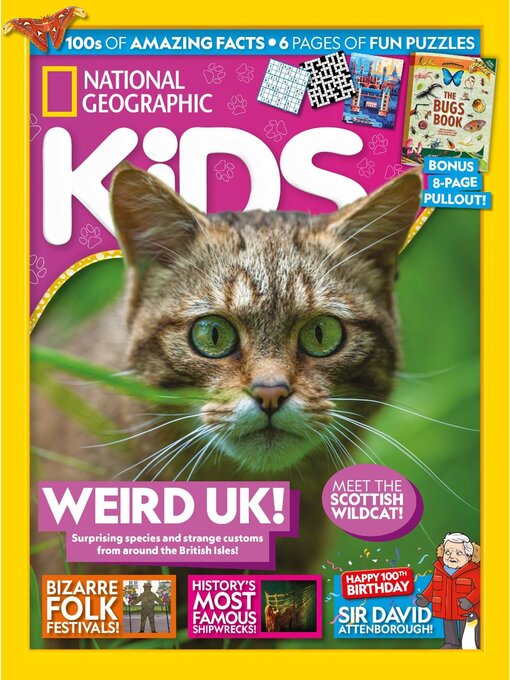
 Issue 137
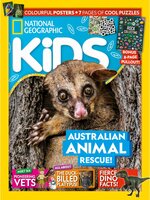 Issue 136
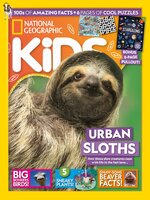 Issue 135
 Issue 134
 Issue 133
 Issue 132
 Issue 131
 Issue 130
 Issue 129
 Issue 128
 Issue 127
 Issue 126
 Issue 125
 Issue 124
 Issue 123
 Issue 122
 Issue 121
 Issue 120
 Issue 119
 Issue 118
 Issue 117
 Issue 116
 Issue 115
 Issue 114
Perfect for nature-loving 7-12 year olds, each issue of Nat Geo Kids is carefully curated to ignite curiosity and spark conversations about science and nature, empowering children to love and care for our beautiful planet.
NATIONAL GEOGRAPHIC KiDS
WACKY WORLD! • The planet's strangest pictures…
COOL NEWS • Inspiring stories from around the globe…
WEIRD CREATURES! • Meet some outrageously odd animals who live around the UK…
UK FOLKLORE! • Throughout the year, up and down the UK, many communities gather to partake in mysterious rituals – often involving extraordinary outfits inspired by nature. Read on to discover some of the most strange, surprising and creative customs from our pagan past…
CHALK CREATIONS • Check out these ginormous old illustrations of animals and men carved into English hillsides. They're sites of importance for many folklore fans!
IT'S THE… BOSS MORRIS DANCE CREW
weird but true! • Check out these outrageous facts…
HISTORY'S GREATEST HITS • This TV hero has been making wonderful nature shows since your grandparents were kids!
SHIPWRECKS! • Discover how six unlucky vessels met their fate…
THE HIDDEN HISTORY OF CHOCOLATE • These facts will melt in your mouth!
JUNIOR EXPLORERS’ CLUB
CROSSWORD
THINK PINK • These photos show close-up and faraway views of pink things. Unscramble the letters to identify what's in each picture. BONUS: Use the yellow letters to help you answer the joke below…
BOOST YOUR BRAIN • Give your head a workout with our mind-boggling tests and challenges!
LONDON SPOT THE DIFFERENCE • Can you find the 60 (yes, SIXTY!) sneaky differences between these two pictures of the UK's capital city, London?
FUN STUFF ANSWERS
National Geographic Kids (AU/NZ)
STAG BEETLE • Stag beetles get their name because they look like they have antlers. However, these ‘antlers’ are actually just a massively enlarged jaw! Like deer, males of this species use these structures to fight with other males when competing for a mate. Although their jaws – or mandibles – look fierce, they're actually quite weak, so they can't bite very hard. But watch out for the females – while their mandibles are much smaller, they can nip hard!
COMMON GREEN GRASSHOPPER • Grasshoppers have been around for a very long time – there were species of grasshopper living during the Triassic Period, over 200 million years ago, alongside some of the earliest dinosaurs. Grasshoppers are usually seen on the grassy plants that they eat, and their strong hind legs allow them to jump long distances to escape predators or find new plants. So there's no prize for guessing how they got their name!
SEVEN-SPOT LADYBIRD • In the UK, ladybirds are a common sight in parks and gardens, particularly in the summer. Their bright red-and-black colouring makes them easy to spot among leafy, green plants. Ladybirds are a type of beetle, and this species originated in Europe and Asia but has now spread to North America. There are many different species of ladybird, but the seven-spot variety is the most common in Europe.
CRAB SPIDER • It's easy to think that spiders and webs go together like fish and chips. But the truth is that only about half of spider species spin webs to catch prey. Other types of spiders have different ways of catching a meal, and crab spiders are a good example. They rely on camouflage to lie in wait, ready for a meal to come to them. Don't be fooled by the name, though – crab spiders live on flowers, not at the beach!
CRANEFLY • Also known as ‘daddy long legs’ in the UK, craneflies are a common sight during European summers. Their slender, gangly bodies make them look like oversized mosquitoes. But they're not closely related...